In today’s highly competitive cookware industry, trends come and go, but non-stick aluminum cookware continues to maintain strong demand across global markets. From large retail chains to e-commerce brands, this category remains a top choice for both buyers and end users. Understanding the reasons behind its lasting popularity can help importers, wholesalers, and brand owners make smarter sourcing decisions.
Excellent Heat Conductivity for Everyday Cooking
One of the key advantages of aluminum cookware is its superior heat conductivity. Compared to many other materials, aluminum heats up quickly and distributes heat more evenly across the cooking surface. This makes it especially suitable for daily cooking tasks such as frying, sautéing, and simmering.
For consumers, this means shorter cooking times and more consistent results. For importers, it translates into a product that meets the practical expectations of a wide range of markets, from entry-level to mid-range segments.
Non-Stick Performance Enhances User Experience
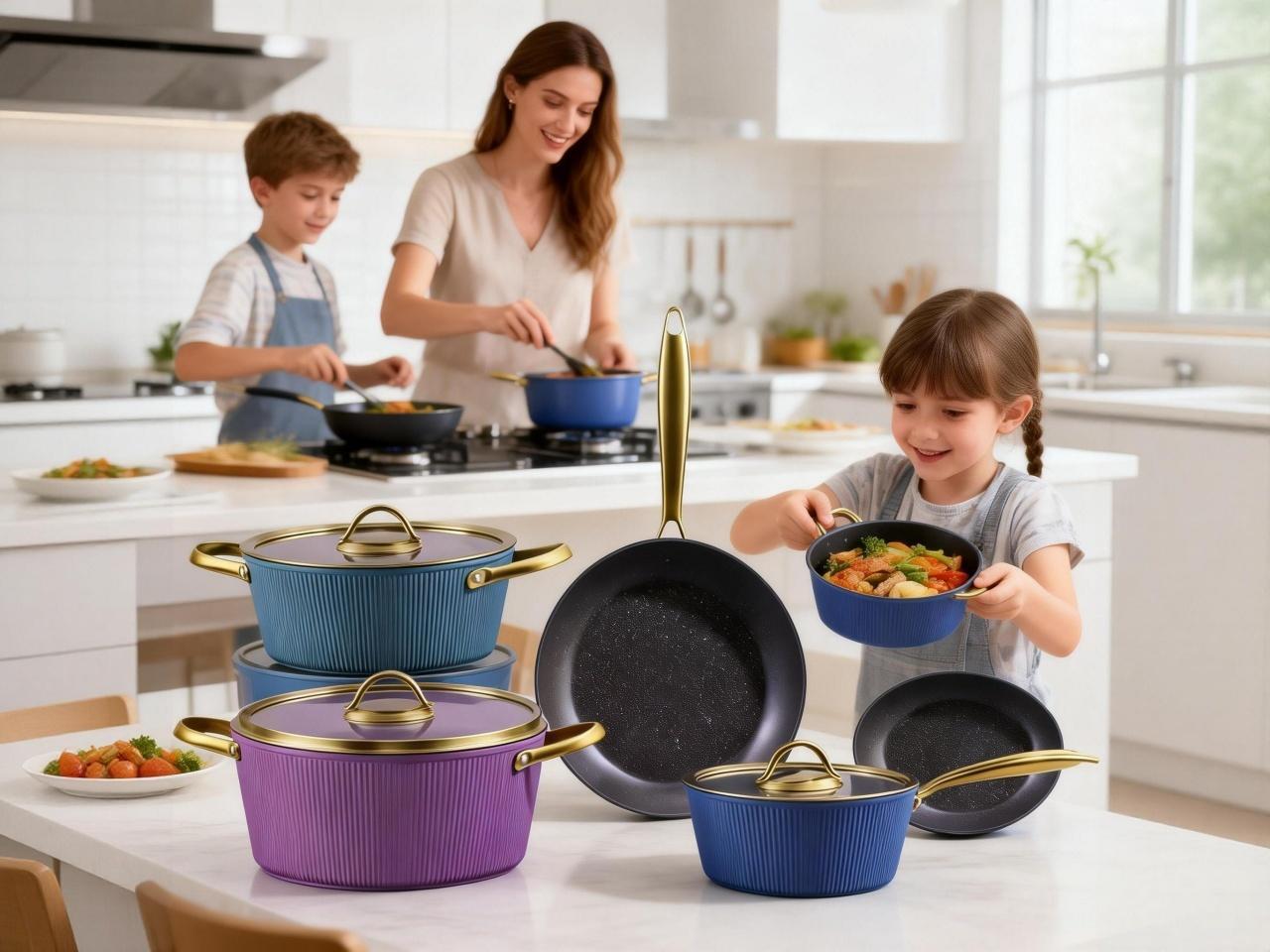
The addition of a high-quality non-stick coating significantly improves the usability of aluminum cookware. Food releases easily from the surface, reducing the need for excessive oil and making cooking healthier and more convenient.
Equally important is the ease of cleaning. In busy households, consumers value cookware that saves time, and non-stick aluminum pans can typically be cleaned with minimal effort. This user-friendly feature plays a major role in repeat purchases and positive customer reviews, especially in online marketplaces.
Lightweight Yet Functional Design
Another reason for the continued popularity of non-stick aluminum cookware is its lightweight structure. Compared to cast iron or multi-layer stainless steel cookware, aluminum products are easier to handle, making them ideal for a broader group of users, including elderly consumers and beginners in the kitchen.
At the same time, modern manufacturing techniques—such as pressed and forged aluminum—allow factories to balance weight and durability. This ensures that the cookware remains strong enough for daily use while retaining its ease of handling.
Flexible Design and Customization Options
From a sourcing perspective, aluminum cookware offers high flexibility in design and customization. Manufacturers can easily adjust shapes, sizes, thickness, and exterior finishes to meet different market preferences. Popular design elements such as colorful coatings, textured exteriors, and ergonomic handles can all be incorporated efficiently.
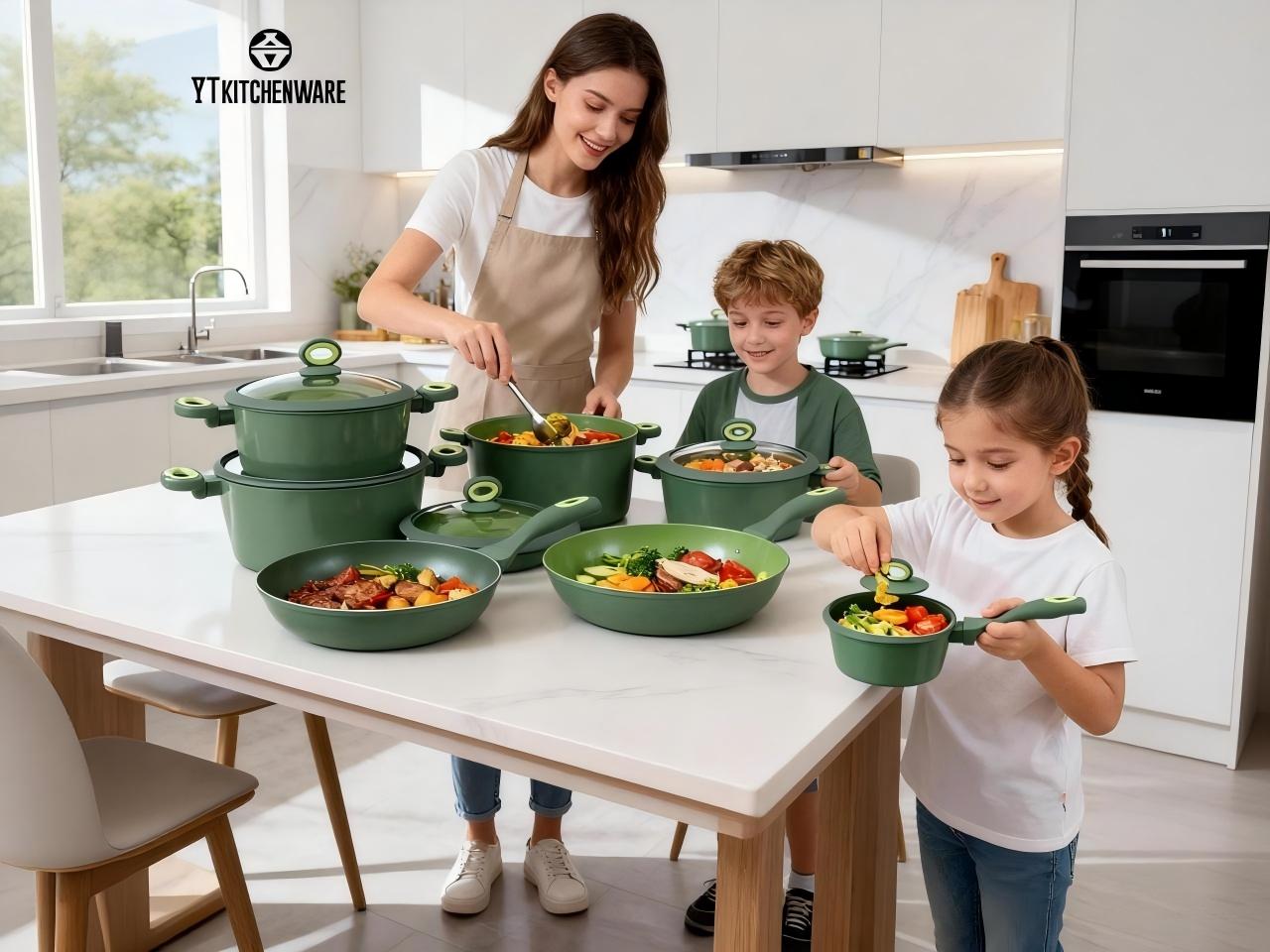
This flexibility makes non-stick aluminum cookware particularly suitable for private label projects. Importers can create differentiated product lines without significantly increasing production complexity or cost.
Cost-Effective Without Compromising Performance
Price competitiveness is another critical factor. Aluminum cookware is generally more cost-effective than many high-end alternatives, while still delivering reliable cooking performance. This balance between cost and functionality makes it highly attractive for mass-market retail as well as promotional product lines.
For importers and distributors, this means better pricing strategies and wider market coverage. It also reduces the risk associated with inventory, especially when launching new product lines.
Continuous Improvements in Coating Technology
Modern non-stick coatings have evolved significantly in recent years. Many manufacturers now offer water-based, PFOA-free coatings that meet international safety standards. These advancements not only improve durability and scratch resistance but also address increasing consumer awareness regarding health and environmental concerns.
As regulations and expectations continue to evolve, cookware factories that invest in coating technology are better positioned to support global clients with compliant and competitive products.
Strong Supply Chain and Manufacturing Expertise
Regions with established cookware manufacturing clusters, such as Zhejiang in China, provide a mature supply chain for aluminum cookware production. From raw materials to coating application and final assembly, each step benefits from specialized expertise and efficient coordination.
For buyers, working with experienced manufacturers in these regions ensures stable quality, reliable lead times, and the ability to scale production as demand grows.
A Versatile Choice for Multiple Market Segments
Non-stick aluminum cookware is not limited to one type of consumer. It fits a wide range of applications, including household kitchens, starter cookware sets, promotional items, and even certain professional environments. This versatility makes it a safe and scalable category for brands looking to expand their product portfolio.
Conclusion
The continued popularity of non-stick aluminum cookware is not accidental. It is the result of a well-balanced combination of performance, convenience, affordability, and adaptability. For importers and brands, it represents a low-risk, high-demand product category with strong potential for customization and growth.
By partnering with an experienced cookware manufacturer, businesses can fully leverage these advantages and build product lines that meet both market expectations and long-term brand goals.