
If you’ve ever wondered why so many professional bakers reach for carbon steel bakeware instead of other common materials, the truth is simple: it performs better where it matters most. But while chefs talk about how evenly it bakes or how crispy the crust turns out, factories have a different perspective—one that starts long before the mold enters an oven. From raw material quality to forming techniques and coating processes, the manufacturing journey reveals exactly why carbon steel has become the go-to choice in commercial kitchens around the world.
Let’s take a factory-floor look at what really sets carbon steel apart, and why it consistently wins the approval of serious bakers.
It All Starts With the Material: Why Carbon Steel Matters
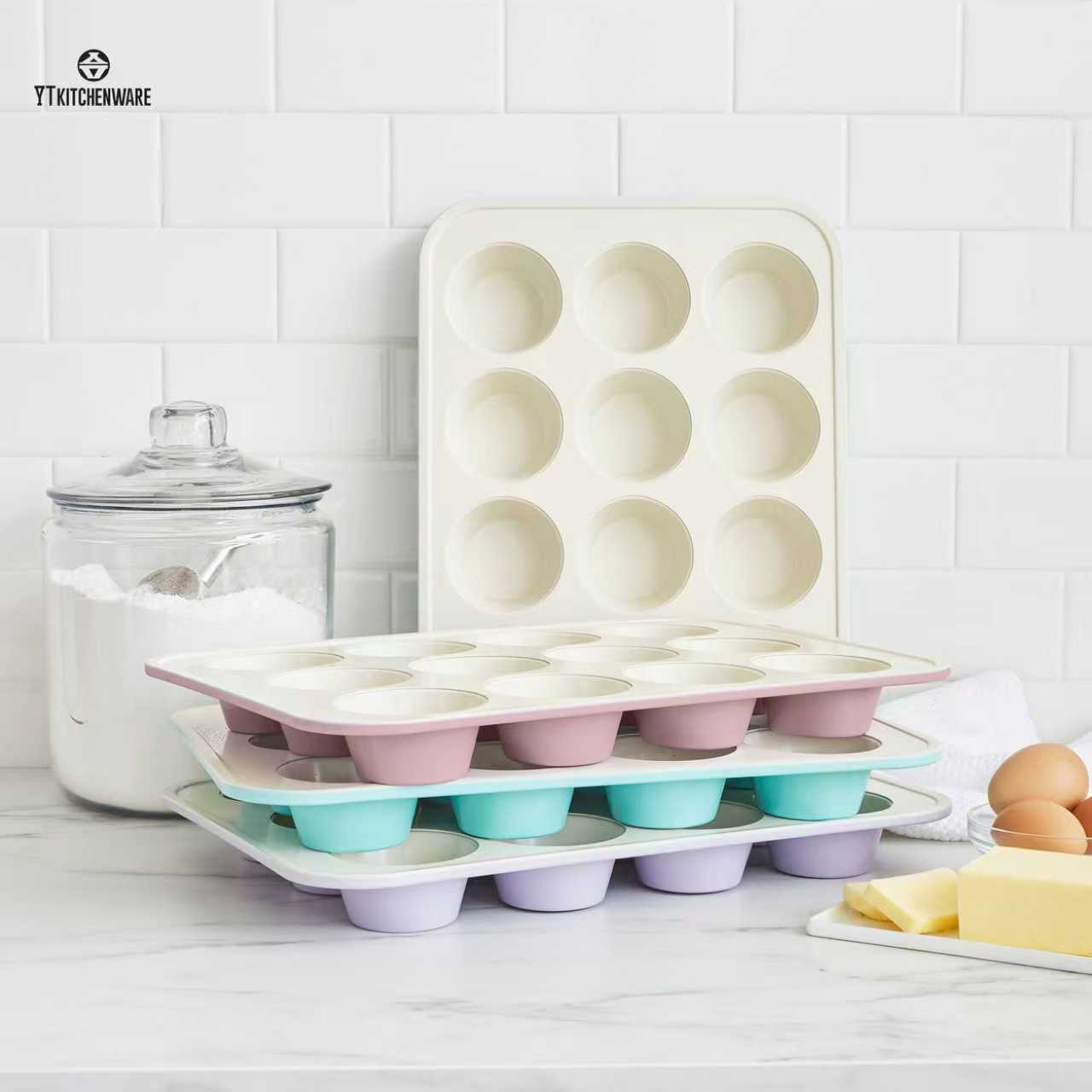
Inside the factory, the choice of material dictates everything—heat performance, durability, weight, production stability, and final price. Carbon steel, especially in 0.6–1.0 mm thickness, offers the perfect combination of strength and workability. Unlike aluminum, which is lighter and softer, carbon steel provides rigidity that prevents warping under high heat and long baking cycles. For bakers, this means cakes rise evenly, cookies brown consistently, and pans stay flat for years.
Factories prefer it too. Carbon steel sheet reacts predictably during cutting, stamping, and forming. There’s less cracking, fewer deformities, and more control over precision shapes—whether it’s a deep loaf pan, a round cake tin, or a tart mold with crisp, perfect edges.
Why Bakers Love the Heat Distribution (And Why the Factory Controls It)
Ask any professional baker, and they’ll tell you the same thing: heat matters. Carbon steel heats up fast and holds temperature well, creating a stable baking environment. But the factory plays a big role in how well this turns out.
Thickness tolerance is tightly controlled—often within ±0.05 mm—because even tiny variations can affect how evenly a pan heats. When the material is uniform, the base doesn’t develop “hot spots,” and the walls heat at a steady rate. That’s where the signature golden-brown finish comes from. Every factory engineer knows: inconsistent thickness equals inconsistent baking results, and pros won’t tolerate that.
Precision Forming Shapes the Final Performance
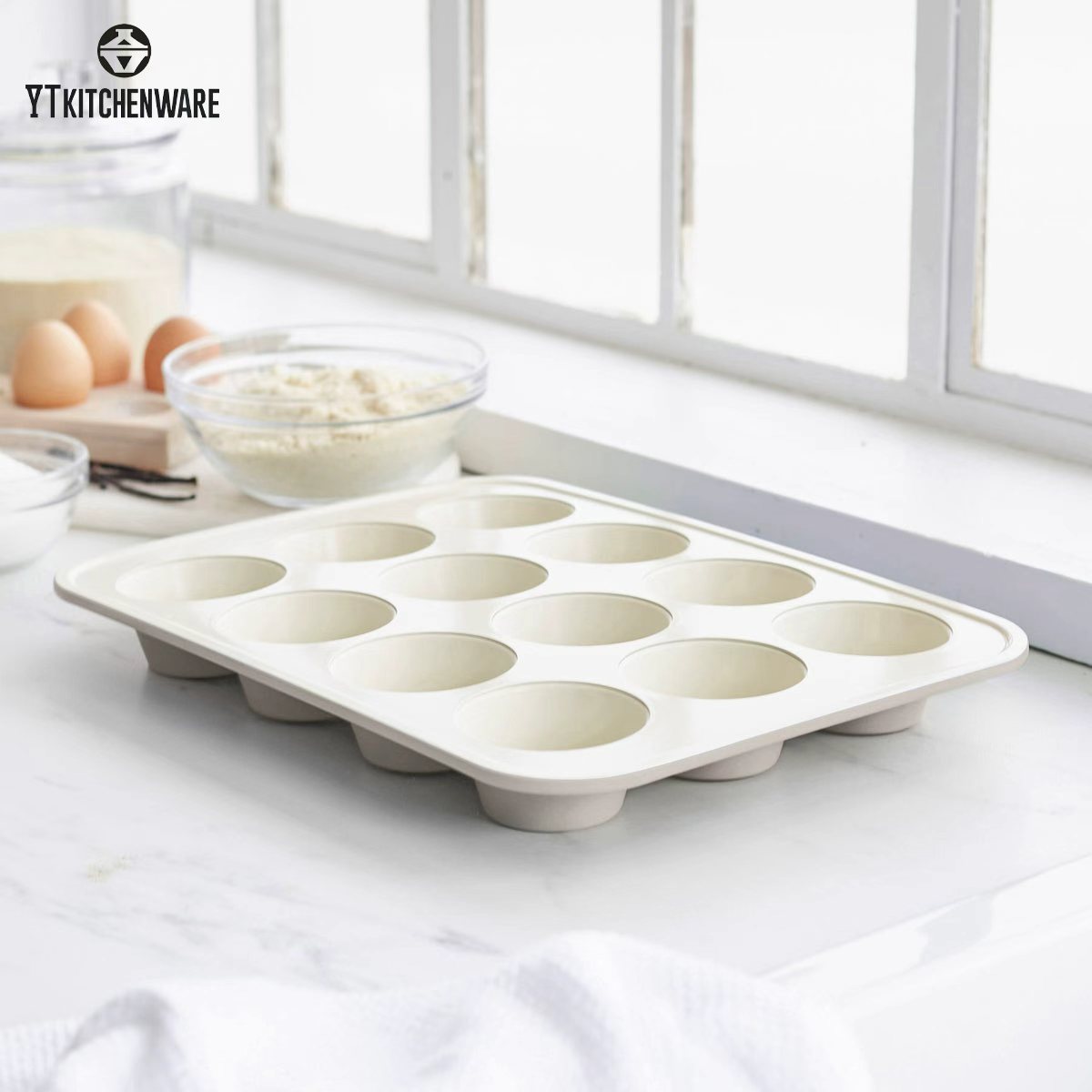
Professional bakers might focus on how their cakes release cleanly or how evenly their loaves bake, but in the factory, that performance comes down to the forming process. Carbon steel molds are typically produced using deep-drawing or progressive stamping—methods that ensure strength without adding unnecessary weight.
A good mold has:
- perfectly smooth interior curves
- consistent rim structure
- reinforced edges
- a base that remains flat through hundreds of baking cycles
Factories spend a surprising amount of time fine-tuning dies to reduce surface tension marks and to make sharp corner lines smoother, ensuring batter spreads naturally and the finished cake looks flawless.
Coatings: The Secret Behind Easy Release
Carbon steel on its own is strong, but coating technology is where it becomes a pro-level tool. Factories often use:
- Non-stick PTFE coatings for easy release
- Whitford / ILAG premium coatings for commercial durability
- Food-grade silicone coatings for better browning
The application process is extremely controlled—spray angle, thickness, curing temperature, and drying cycles all affect the final non-stick effect. A poorly cured coating can peel, bubble, or wear out after a few uses. But a properly cured one can survive thousands of bakes, which is exactly what professionals need.
In short, the superior release that bakers love is the result of precise factory steps, not magic.
Strength and Durability Are Built During Manufacturing
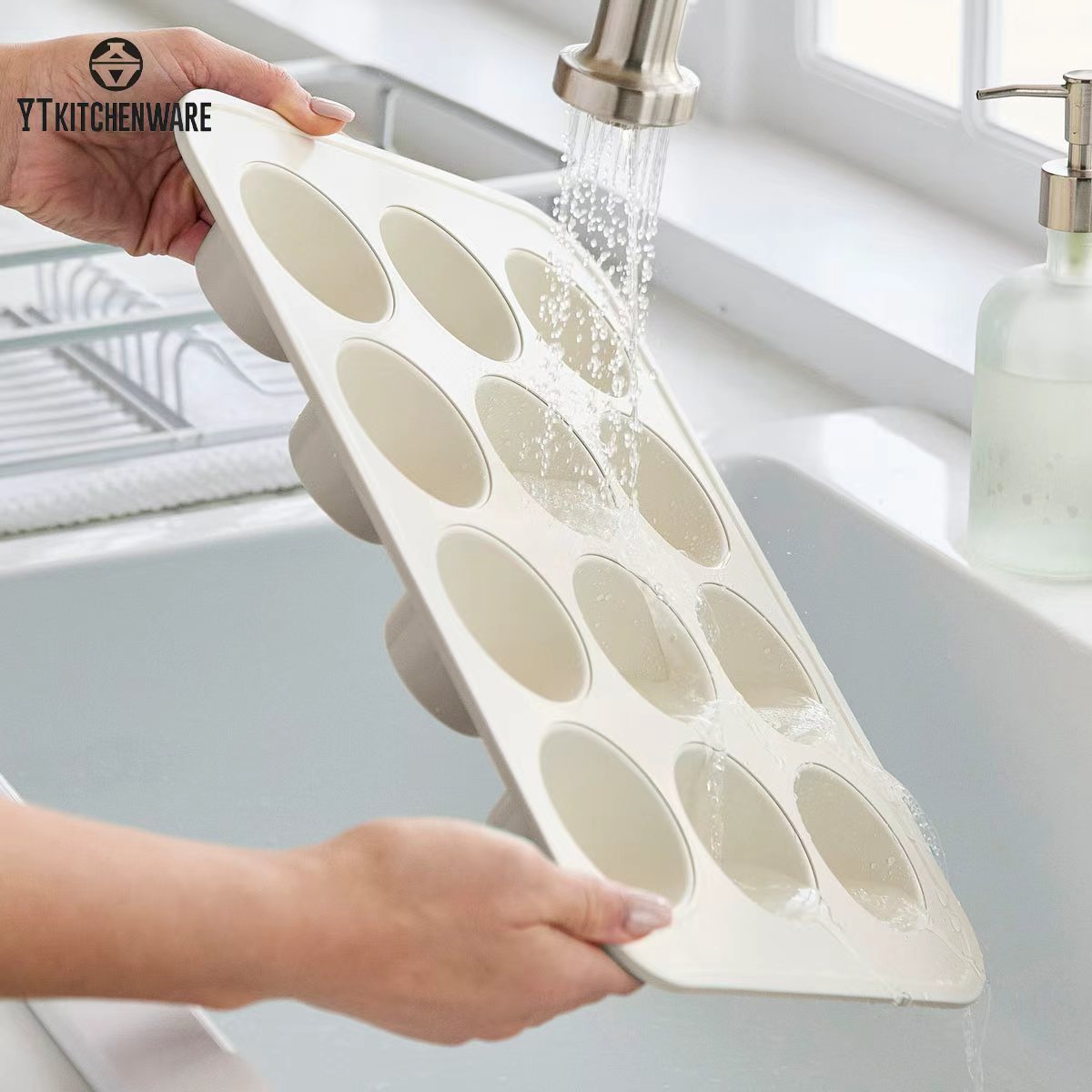
One of the biggest reasons professionals choose carbon steel is durability, and that durability doesn’t just come from material—it comes from how it’s manufactured. Factories strengthen pans with rolled rims, reinforced edges, and optimized forming curves that distribute stress during heating and cooling.
This is why a good carbon steel pan doesn’t warp easily. Even after endless temperature cycles, it stays true to its shape. For busy bakeries that bake all day long, this reliability is non-negotiable.
Affordability Without Compromise
Another advantage—one that bakery owners really appreciate—is that carbon steel offers professional performance at a reasonable price. Compared with aluminized steel or stainless steel, it delivers excellent heat performance without pushing costs too high. Factories can automate most of the process, from feeding the sheet material to forming, coating, curing, and packing. This efficiency makes it easy to keep pricing competitive even for heavy-duty products.
From Factory to Bakery: Why Carbon Steel Wins
Put all these factors together—material strength, heat performance, forming precision, coating technology, and cost efficiency—and it becomes clear why professional bakers prefer carbon steel. It isn’t just tradition or habit. It’s the result of manufacturing choices that directly translate into better baking outcomes. Crispy crusts, fluffy centers, consistent browning, long-lasting pans—these benefits come from processes that start long before the pan enters the oven.
When a factory understands these details and maintains strict quality control, the difference shows up in every loaf, tart, or cake baked in a carbon steel mold.